The Ultimate Guide to Dry Needling: What It Is + How You Can Benefit
9 April 2024 · Prestons Injury Therapy
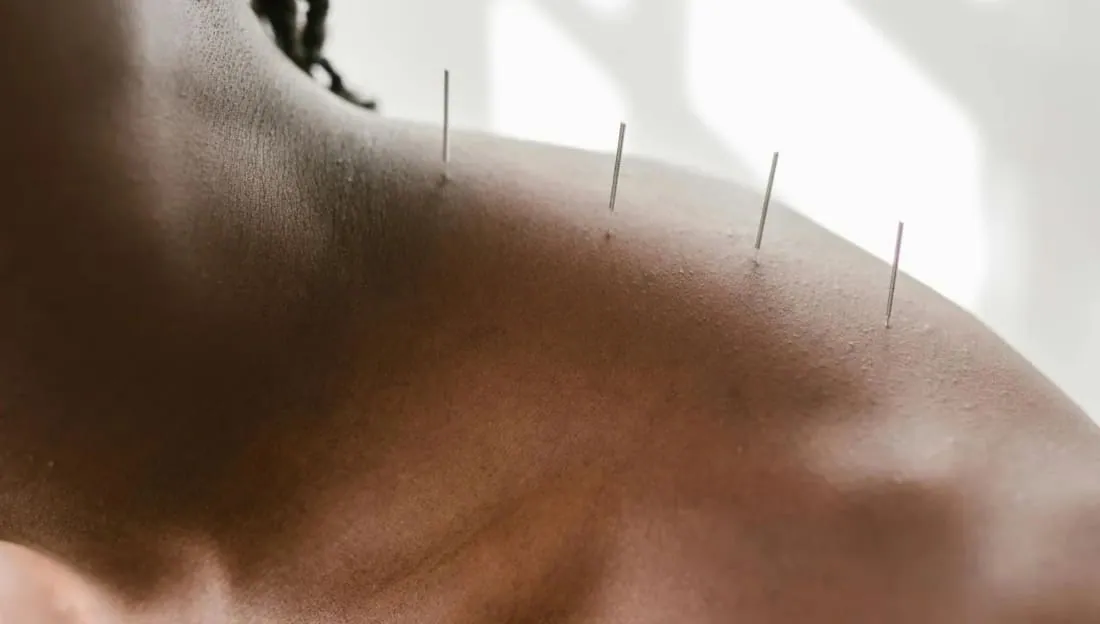
Dry needling, also known as "intramuscular stimulation", is a medical procedure that helps to relieve chronic muscle pain and trigger points. Trigger points are points in the muscles where tightness, pain, and/or limited range of motion cause referred pain, tingling and numbness. Dry needling is performed by a licensed healthcare practitioner.
What is dry needling?
Dry needling is a type of physical therapy that uses thin needles to stimulate trigger points in the muscles. This helps to release tension and relieve pain. Dry needling can be used to treat a variety of conditions, including headaches, migraines, TMJ disorders, back pain, neck pain, shoulder pain, and more.
What are the benefits of dry needling therapy?
As an alternative to traditional forms of therapy, dry needling has become increasingly popular in recent years. This type of therapy can be used to treat a wide range of conditions, including muscle pain, tendonitis, and headaches.
One of the main benefits of dry needling is that it can help to release tight muscles. This can lead to improved range of motion and reduced pain. In addition, dry needling can help to improve blood circulation and reduce inflammation.
Another benefit is that it can be used to treat a wide variety of conditions, making it an ideal option for those who may not respond well to other forms of therapy.
If you are considering dry needling therapy, be sure to consult with your healthcare provider to see if it is right for you.
How does it work?
Dry needling works by targeting trigger points in the muscles. These are areas of muscle that have become tight and irritable and can cause pain and discomfort. The needles help to release the tension in these trigger points, which can improve pain and movement.
Are there any side effects?
Dry needling is a safe and effective treatment for many conditions. However, as with any treatment, there are potential side effects. The most common are bruising, soreness, and redness at the needle site. These are usually mild and go away quickly. More serious side effects are rare. If you experience any concerning symptoms, please contact your healthcare provider.
How can you get the most out of a session?
There are a few things you can do to make sure you get the most out of your dry needling session. First, communicate with your therapist about any areas that are especially sore or tight, so they can target the areas that need the most attention. Second, relax as much as possible during the session — this helps the needles work more effectively. Finally, drink plenty of water afterwards to help your body recover.
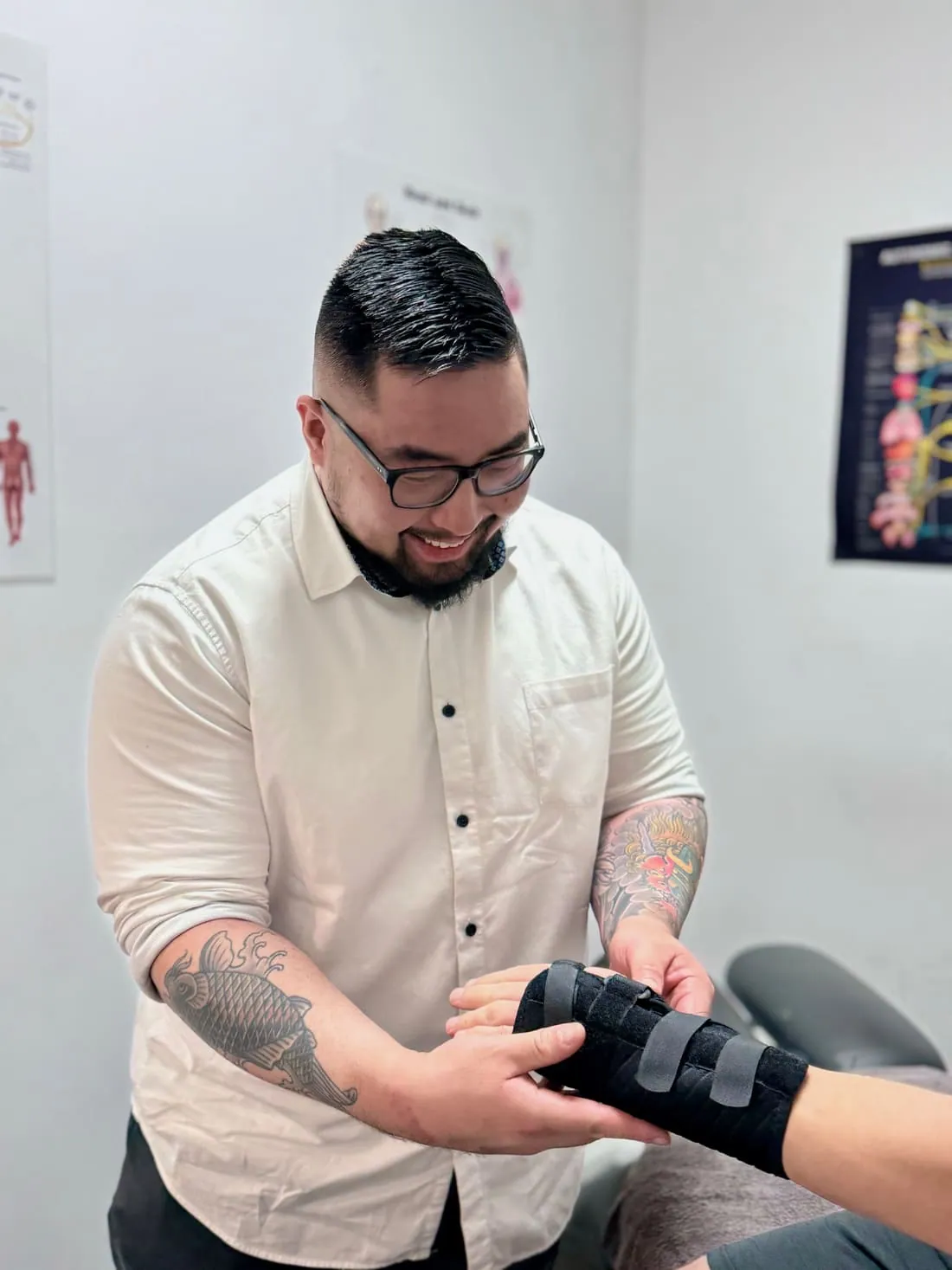
Interested in dry needling? Get in touch and our physiotherapists can let you know if it's right for you.