
Prestons · NSW · Open 7 days
Hijama (Wet Cupping) in Prestons
Hijama — the traditional practice of wet cupping — has been used for centuries to relieve pain, draw out impurities and support the body’s natural healing. At Prestons Injury Therapy we perform Hijama in a clean, sterile, professional setting, with experienced practitioners caring for clients from Prestons, Liverpool and across South West Sydney.
What is Hijama (wet cupping)?
Hijama is the Arabic term for wet cupping. Gentle suction cups are applied to the skin, then tiny, superficial incisions are made and the cups reapplied to draw out a small amount of stagnant blood. The aim is to remove toxins and impurities, improve circulation and stimulate the body’s own healing response.
It differs from dry cupping, which uses suction alone with no incisions. Hijama is a long-standing traditional and sunnah therapy, and we deliver it with modern hygiene standards — sterile, single-use equipment for every client.
What Hijama can help with
People come to us for Hijama to ease muscular pain and tension, inflammation, lower back and neck pain, sciatica and general stiffness, as well as for circulation and overall wellbeing. Many combine it with our physiotherapy, chiropractic or remedial massage as part of a wider recovery plan — all available under one roof.
What to expect & aftercare
Your practitioner will talk through your history and goals, then carry out the treatment in a private, sterile room. The procedure is well tolerated; you may feel light suction and a brief scratch. Afterwards it’s normal to have temporary circular marks or mild bruising, which typically fade within about ten days.
We’ll give you simple aftercare advice — keep the area clean, stay hydrated and avoid intense exercise for a day. No GP referral is needed to book.
Local practitioner trust
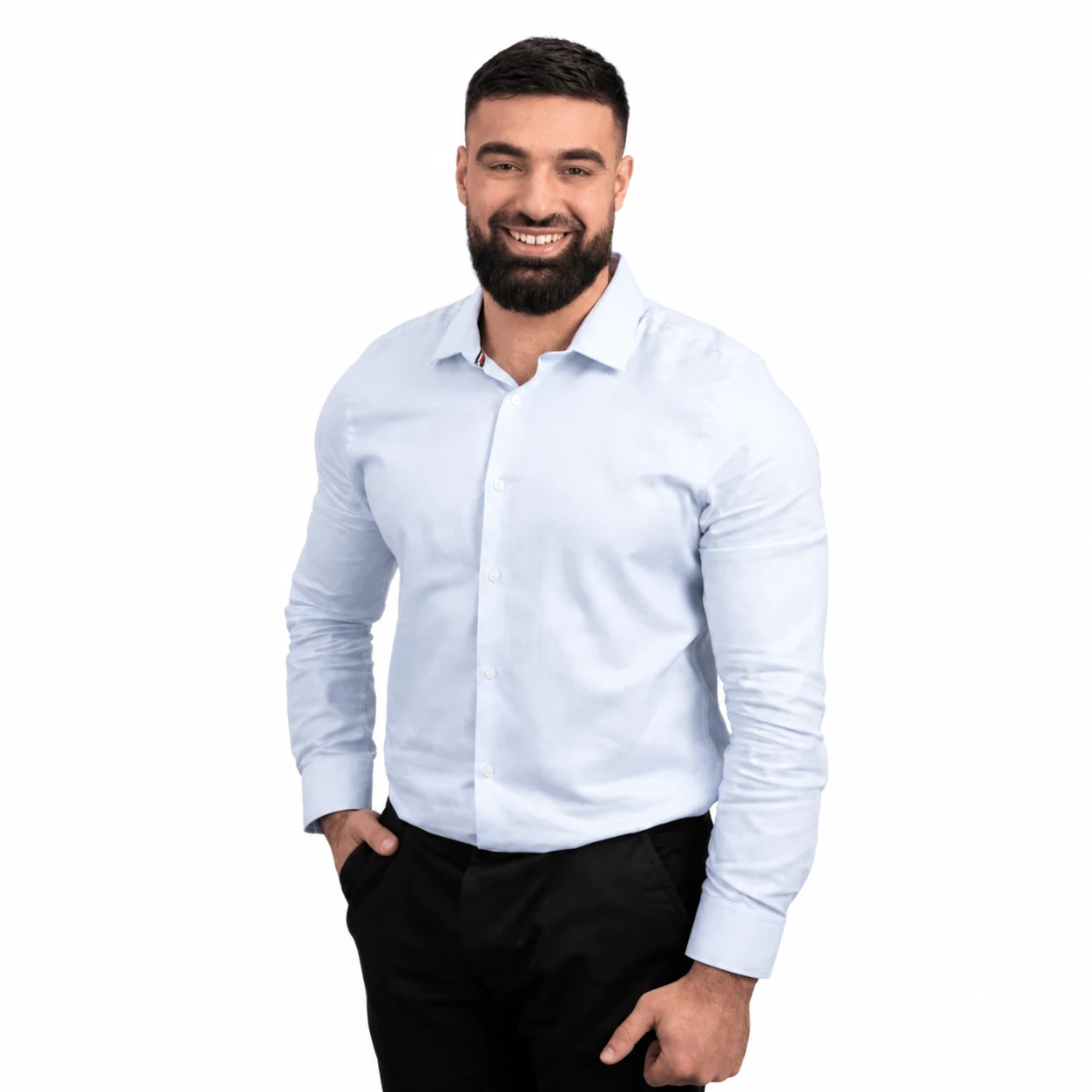
Meet your Hijama care team
Hijama is performed by experienced practitioners using sterile, single-use equipment in a clean clinical setting.
Frequently asked questions
What are the best (sunnah) days for Hijama?
Traditionally the 17th, 19th and 21st of the Islamic (Hijri) month are considered preferred, often on a Monday, Tuesday or Thursday. That said, Hijama can be performed safely on any day — book whatever suits you and we’ll look after you.
Does Hijama hurt, and how long do the marks last?
It’s generally well tolerated — you’ll feel suction and a brief, light scratch from the small incisions. Temporary circular marks or mild bruising are normal and usually fade within about ten days.
What’s the difference between dry cupping and wet cupping (Hijama)?
Dry cupping uses suction only to lift the tissue and improve blood flow. Wet cupping (Hijama) adds tiny, superficial incisions so a small amount of stagnant blood is drawn out, which is the traditional method we provide.
Is Hijama safe? Who should avoid it?
We use sterile, single-use equipment for every client in a clean, professional setting. Hijama is not suitable during pregnancy or if you’re taking blood thinners — let us know your medical history when you book and we’ll advise.
Is Hijama covered by private health funds?
No. Since April 2019, private health insurers no longer cover natural therapies such as Hijama, so it isn’t claimable. Contact us or book online for current pricing.