What Is the Difference Between Remedial Massage and Chinese Massage?
16 July 2024 · Prestons Injury Therapy
Remedial massage and Chinese massage are broad labels rather than single, standardised treatments. Both may involve pressure, kneading, stretching or mobilisation, but they differ in training traditions, assessment frameworks and the techniques a practitioner chooses. It is not accurate to describe one as always targeted and the other as not targeted.
What to expect from a massage therapist
Before treatment, a massage therapist should ask about your health history, medicines, current symptoms and goals, explain the proposed approach and obtain your consent. Ask about the therapist's training, professional-association membership and experience with your reason for attending.
A responsible therapist should also explain when massage may not be suitable or when assessment by a doctor or another health professional is more appropriate.
What is remedial massage?
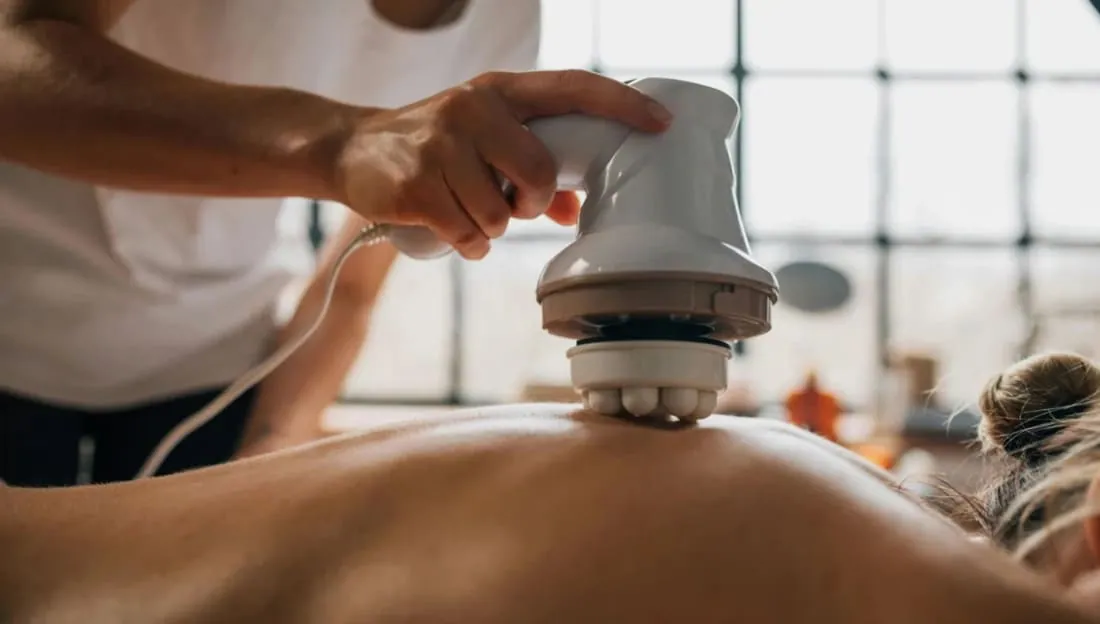
Remedial massage is a form of complementary massage therapy that applies pressure and movement to soft tissues such as muscles, tendons and connective tissue. It may focus on a particular area affected by pain, tension or restricted movement.
Depending on the assessment and your consent, a session may use techniques such as kneading, deep-tissue work, trigger-point pressure, stretching or mobilisation. The chosen technique does not guarantee a particular outcome, and response varies between people and conditions.
What is Chinese massage?
“Chinese massage” can refer to several styles. Tui Na is one form of therapeutic massage used within traditional Chinese medicine and may involve pressure, kneading, stretching and mobilisation applied with the hands, fingers, elbows or other parts of the practitioner's body.
Traditional Chinese medicine explains Tui Na through concepts such as meridians, energy flow and balance. These are traditional concepts rather than established descriptions of modern anatomy or a proven biomedical mechanism.
What does the evidence say about remedial massage benefits?
Massage therapy is used as complementary care for concerns such as pain, muscle tension and stress. Depending on the condition and intervention, it may help with symptom management, but the response varies between people. The way massage may influence symptoms is not fully understood, and it should not be presented as a guaranteed treatment or a replacement for medical care.
What does the evidence say about Chinese massage benefits?
Evidence for Chinese massage benefits varies by condition and is not strong enough to support broad claims that it boosts immunity, improves healing or treats a wide range of health problems. Some people seek Tui Na for relaxation or muscular comfort, but a practitioner should not promise that it will relieve pain or improve a medical condition.
Safety and when to seek advice
Massage can cause temporary soreness and, rarely, more serious injury. It may not be suitable for some people, including those with certain medical conditions, a bleeding risk, recent surgery or particular skin or tissue injuries. Tell the therapist about your health history and medicines, and ask your doctor or another appropriate health professional if you are unsure whether massage is suitable.
Massage is complementary care and should not delay or replace medical assessment for new, severe, unexplained or worsening symptoms.
Which type of massage might suit you?
The choice depends on your goals, health history, the practitioner's qualifications and the techniques being offered. Remedial massage may be organised around an assessed soft-tissue symptom or movement goal. Tui Na may suit someone specifically seeking a traditional Chinese bodywork approach from an appropriately trained practitioner. Neither is universally better, and neither should be chosen on the basis of guaranteed benefit claims.
Learn more about remedial massage at our Prestons clinic, open 7 days a week; hours vary by day.